
If you’re looking to switch your pet to a grain-free diet, you’ve come to the right place. This guide will help you make the transition smoothly and safely.
Start by evaluating your pet’s current diet, then select a high-quality grain-free food pet food Malaysia. By gradually introducing the new food and monitoring your pet’s response, you can ensure a successful shift.
Follow these steps to give your furry friend the best nutrition possible.
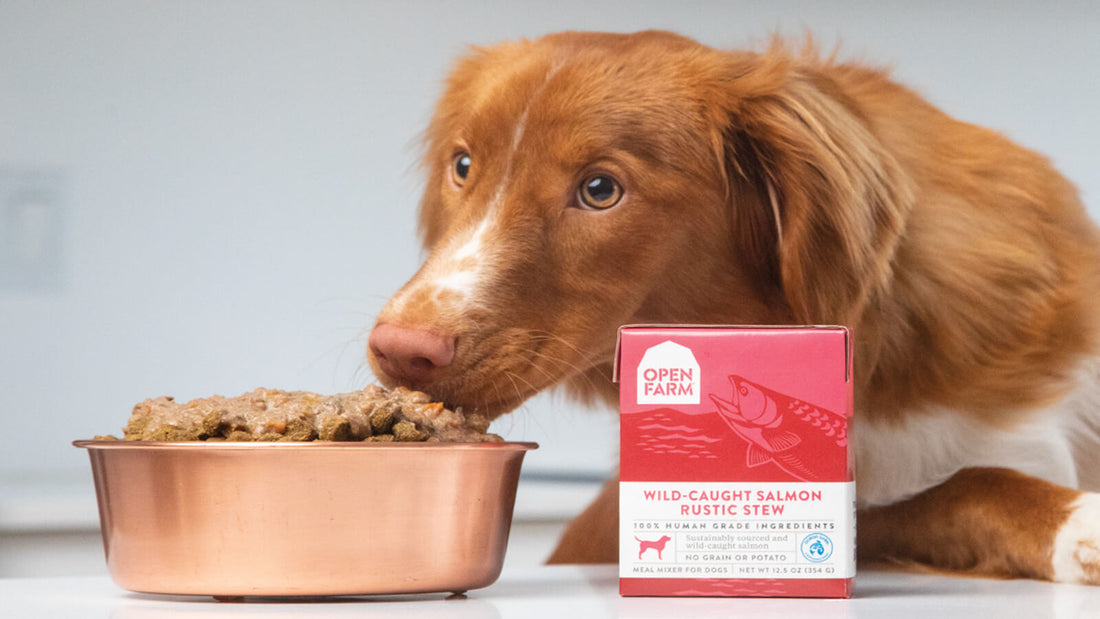
Assess Your Pet’s Current Diet
Assess your pet’s current diet by examining their daily food intake and noting any grains included. Look at the ingredients list on their food packaging. Keep an eye out for common grains like wheat, corn, or rice. Consider the potential impact of these grains on your pet’s health.
Evaluate how your pet responds to their current diet. Are there any signs of allergies or sensitivities? Check for symptoms like itchiness, digestive issues, or dull coat.
Choose a High-Quality Grain-Free Food
When selecting a high-quality grain-free food for your pet, prioritize ingredients that cater to their specific dietary needs and preferences. Look for options that contain real meat or fish as the first ingredient, as these provide essential proteins for your pet’s health.
Avoid artificial flavors, colors, and preservatives that may not align with your pet’s freedom-loving spirit. Opt for grain-free foods that are rich in vitamins, minerals, and antioxidants to support your pet’s overall well-being.
Consider consulting with your veterinarian to ensure the food you choose meets your pet’s nutritional requirements. By selecting a high-quality grain-free food tailored to your pet’s needs, you can help them transition safely and happily to a healthier diet.
Gradually Mix in the New Food
To smoothly transition your pet to a grain-free diet, begin gradually mixing in the new food with their current diet. Start by replacing a small portion of their current food with the new grain-free option. Do this for a few days, monitoring how your pet reacts to the change.
If they seem to be tolerating it well, gradually increase the amount of the new food while decreasing the old food. This slow transition allows your pet’s digestive system to adjust to the new diet without causing any sudden upsets. Remember to observe your pet’s behavior and stool consistency during this process to ensure they’re adapting well.
This method helps prevent any abrupt dietary changes, promoting a smoother transition to a grain-free diet.
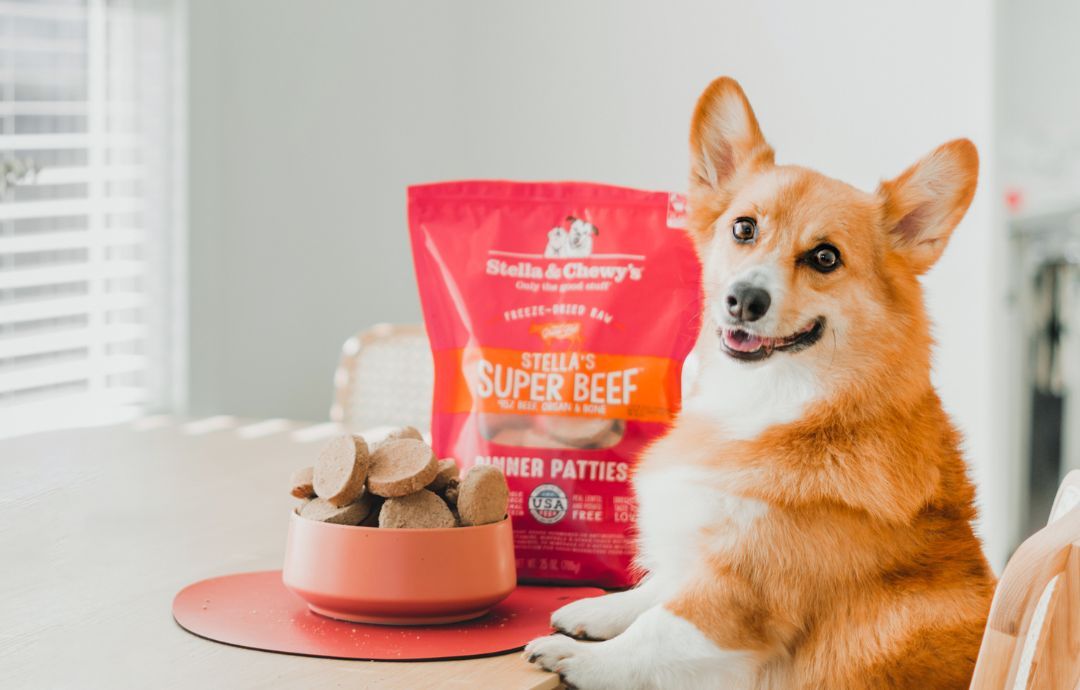
Monitor Your Pet’s Reaction
Observe your pet’s behavior and stool consistency closely while transitioning them to a grain-free diet to monitor their reaction effectively. Changes in appetite, energy levels, coat condition, and bathroom habits can provide valuable insights into how your pet is adjusting.
Keep an eye out for any signs of discomfort, such as vomiting, diarrhea, or excessive gas. If you notice any concerning symptoms, consult your veterinarian promptly to address any potential issues.
Adjust Portions and Monitor Weight
As you gradually switch your pet to a grain-free diet, adjust their portions and monitor their weight regularly. This is crucial for ensuring that your pet maintains a healthy weight throughout the transition.
Start by following the feeding guidelines provided on the new grain-free food packaging. Monitor your pet’s body condition and adjust the portions accordingly. If you notice weight gain or loss that isn’t intended, consult with your veterinarian to make necessary adjustments.
Conclusion
Now that you have successfully transitioned your pet to a grain-free diet, remember to monitor their progress and adjust their portions as needed.
It’s important to prioritize your pet’s health and well-being by providing them with a high-quality food that meets their nutritional needs.
With patience and consistency, your furry friend will thrive on their new diet and enjoy a happier, healthier life.