
Ion chromatography streamlines routine chemical analysis by consolidating assays and reducing manual preparation and instrument swaps. It accelerates throughput with optimized gradients and automated sample handling while lowering detection limits through modern detectors and suppressor technology Chloride test. Reproducible columns, standardized protocols, and robust calibration improve precision and traceability across environmental, pharmaceutical, and quality‑control matrices. Proactive maintenance and validation enable unattended operation with tight accuracy. Continue for practical setup, validation steps, and troubleshooting guidance to implement it effectively.
What Ion Chromatography (IC) Solves for Routine Lab Workflows
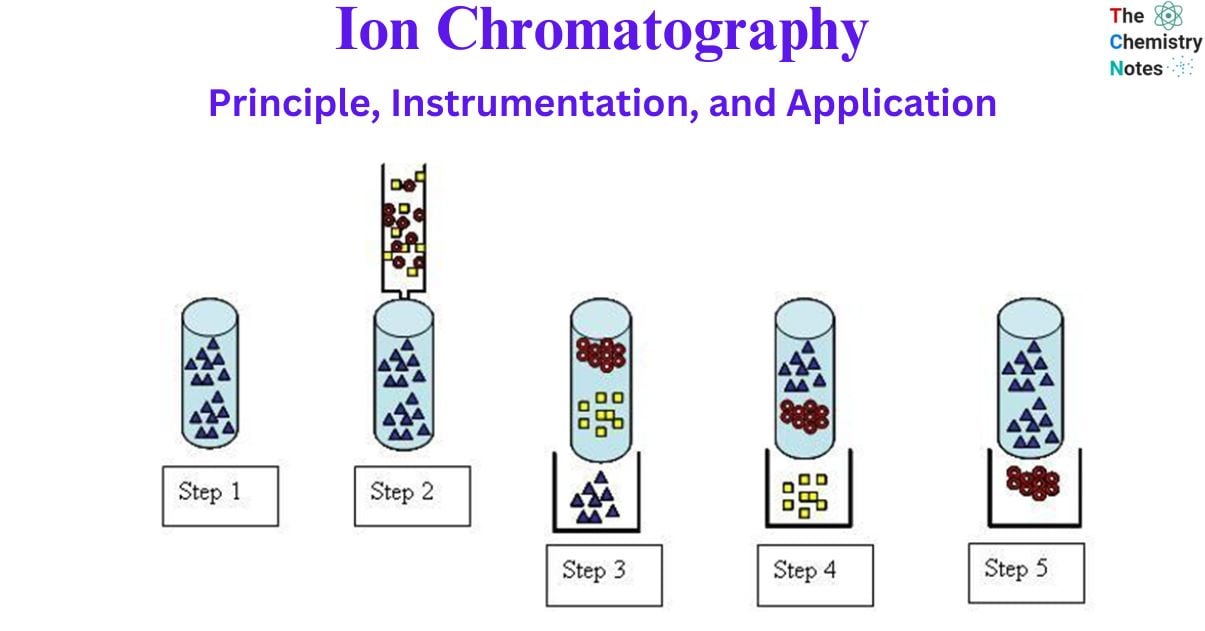
Because routine laboratories must balance throughput, accuracy, and regulatory compliance https://laballiance.com.my/, ion chromatography (IC) provides a streamlined solution for simultaneous separation and quantification of anions and cations across diverse sample matrices. It reduces method proliferation by consolidating assays, minimizing manual preparation and instrument swaps.
IC’s automated sample handling and reproducible columns free analysts from repetitive tasks, enabling focus on interpretation and method development. Standardized protocols and objective data outputs simplify documentation and audits, preserving operational autonomy while meeting external requirements.
The technique adapts to varied matrices—water, food, pharmaceuticals—via scalable gradients and suppressed conductivity detection, supporting consistent decision-making. By lowering procedural friction and centralizing ionic analysis, IC empowers labs to operate with greater independence and efficiency.
Faster Analysis, Lower Detection Limits, and Better Reproducibility With IC
When optimized for routine use, ion chromatography considerably shortens analysis time while achieving lower detection limits and tighter reproducibility than many traditional wet-chemistry approaches. It enables rapid separation and automated sample handling, reducing manual intervention and cycle times.
Modern detectors and suppressed conductivity improve sensitivity to trace anions and cations, pushing quantitation limits into low microgram-per-liter ranges. Robust calibration strategies and internal standards stabilize responses across runs, yielding consistent retention times and peak areas.
High-throughput methods and multiplexing columns support flexible scheduling, letting labs process more samples without sacrificing data quality. Minimal sample preparation preserves sample integrity and lowers error sources.
Typical Applications: Environmental, Pharmaceutical, and QC Use Cases
https://en.wikipedia.org/wiki/ChromatographyHow is ion chromatography deployed across regulated and research settings? Ion chromatography serves diverse roles where accurate ionic profiling supports compliance, discovery, and product integrity. It enables selective, sensitive quantification without onerous sample prep, empowering practitioners who value analytical autonomy.
- Environmental monitoring: quantifies anions/cations in water, soil leachates, and effluents to meet regulatory limits and track contamination trends.
- Pharmaceutical analysis: determines counterions, residual inorganic impurities, and degradation-related ions in APIs and formulations for safety and label claims.
- Quality control in manufacturing: verifies process streams, raw materials, and finished products for ionic purity, controlling corrosion risk and batch consistency.
These applications emphasize reproducible results, traceability, and analytical flexibility, aligning with needs for reliable, freedom-supporting workflows.
Setting Up and Validating IC for Routine Sample Throughput
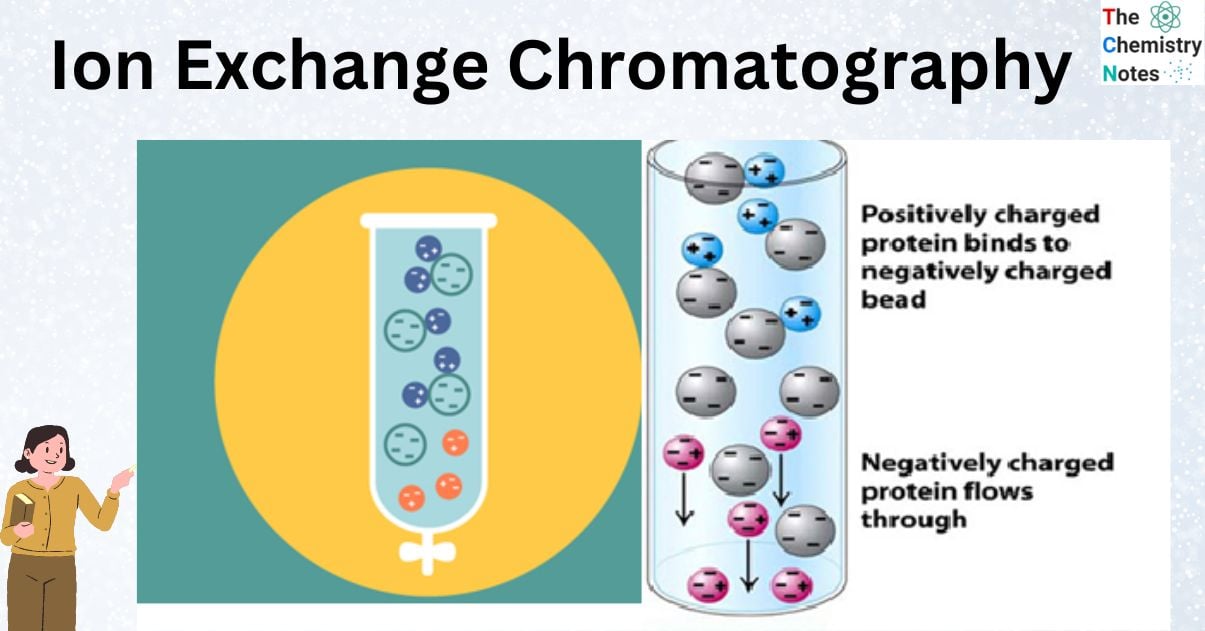
Although careful planning and method selection are essential, setting up and validating an ion chromatography (IC) workflow for routine sample throughput focuses on establishing robust hardware configuration, reproducible sample preparation, and a validation matrix that demonstrates precision, accuracy, linearity, and limits of detection appropriate for the intended use.
The laboratory defines throughput goals, selects columns and suppressors matched to analyte classes, and configures autosamplers and eluent delivery for unattended operation. Sample handling protocols minimize matrix effects and permit parallel processing.
Validation experiments quantify repeatability, recovery, calibration range, and detection/quantitation limits under realistic workload. Acceptance criteria align with regulatory or quality objectives while allowing pragmatic adjustments.
Documentation captures procedures, data, and change control to enable consistent, autonomous routine analysis and confident decision-making.
Common Troubleshooting, Maintenance, and Checklists for Reliable Results
Reliable ion chromatography operation depends on routine troubleshooting and preventive maintenance that target common failure modes—leakage, baseline drift, pressure anomalies, suppressor inefficiency, and sample carryover—so that issues are detected early and resolved with minimal downtime.
A concise checklist empowers operators to act decisively while preserving methodological freedom: prioritize inspections, log trends, and standardize corrective steps without constraining analytical choices. Emphasis is on predictable upkeep to sustain accuracy and uptime.
- Inspect: daily leak checks, tubing integrity, pump seals, and column fittings; replace worn parts before failure.
- Verify: baseline stability, flow/pressure trends, and suppressor performance; run calibration standards and blanks routinely.
- Maintain: reagent purity, filter changes, guard column replacement, and documented preventive schedules to enable independent workflow control.
Conclusion
Ion chromatography (IC) streamlines routine chemical analysis by delivering faster throughput, lower detection limits, and improved reproducibility. Widely applied across environmental monitoring, pharmaceutical assays, and quality control, IC supports robust method validation and scalable sample processing. Effective implementation requires careful system setup, regular maintenance, and adherence to troubleshooting checklists to sustain reliability. With proper training and protocol optimization, IC enhances laboratory efficiency and confidence in ion-specific measurements, making it a valuable analytical tool.